

If you’ve just cracked a tooth or your child’s knocked one out, the moment can feel rushed and uncomfortable — but it doesn’t have to spiral. Knowing a few practical next steps can protect your comfort and improve the chances of a good outcome.
At Abidin and Cao DDS in Westerville, OH, Dr. Sean Abidin and Dr. Vanessa Cao regularly help patients through dental injuries like these. While they often look serious at first, quick, calm action usually makes a difference.
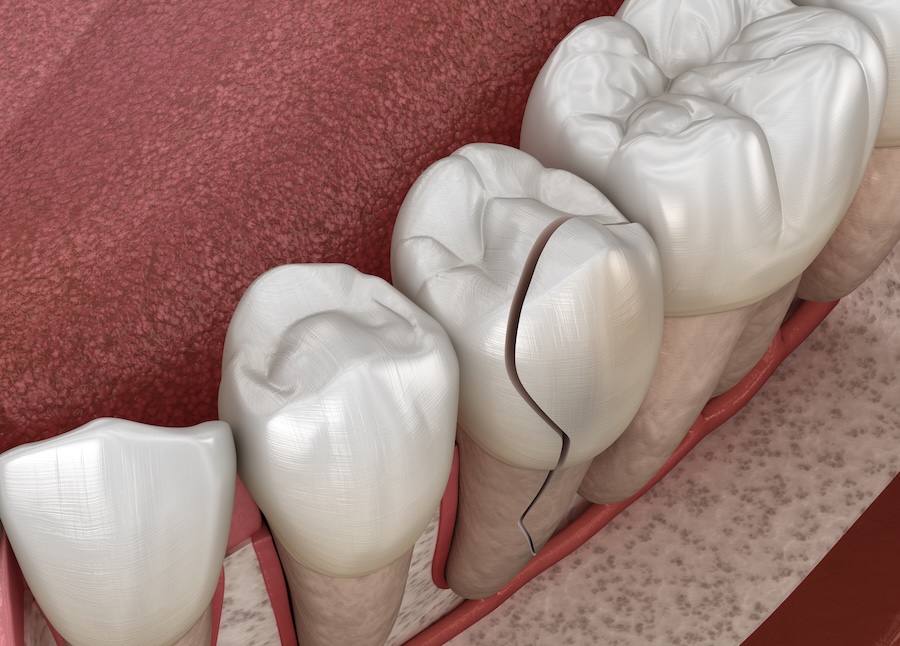
Cracked Tooth: What You Might Notice First
Cracked teeth don’t always announce themselves loudly. Sometimes it’s a sharp twinge when biting, lingering sensitivity to cold, or a rough edge you notice with your tongue. Pain may come and go, or stay mild at first, which can make it tempting to ignore — but cracks can deepen over time.
Until you’re seen, rinse gently with warm water, avoid chewing on that side, and stick with softer foods. A cold compress along the outside of the cheek can help if there’s tenderness or swelling. Over‑the‑counter pain relievers can take the edge off, but even mild symptoms are worth having evaluated before the crack worsens.
Knocked‑Out Tooth: First Aid That Matters
If a permanent (adult) tooth is completely knocked out, the first hour is especially important. Here’s what to do right away:
- Find the tooth and pick it up by the crown only (the chewing surface), not the root
- Rinse it gently with cool water if it’s dirty — do not scrub or scrape it
- Try to place it back into the socket if you’re able, holding it in place with gentle pressure
- If reinserting isn’t possible, keep the tooth moist in milk, saliva (inside the cheek), or a tooth preservation kit
- Call the dental office immediately and head in as soon as possible
Do not let the tooth dry out, and don’t wrap it in tissue. If a baby tooth is knocked out, don’t try to reinsert it — but your child should still be evaluated to make sure there’s no damage to surrounding teeth or bone.
Managing Discomfort While You Wait
While waiting to be seen, comfort matters. Warm salt‑water rinses can help keep the area clean and soothe irritated tissue. Cold compresses used on the outside of the face in short intervals may reduce swelling. Pain relievers like ibuprofen or acetaminophen can help when taken as directed. Avoid placing aspirin or gels directly on the gums or tooth — that can cause irritation instead of relief.
When to Contact Your Dentist Right Away
Some situations shouldn’t wait. A knocked‑out permanent tooth always needs immediate attention. Worsening pain, swelling in the face or gums, a bad taste, bleeding that doesn’t slow, or a bite that suddenly feels uneven are all signs that something deeper may be going on. If a cracked tooth starts to shift or becomes increasingly sensitive, that’s also a reason to call. When you’re unsure, reaching out early is the safer choice.
Emergency Dentist in Westerville, OH: Cracked and Knocked‑Out Tooth Care
Dental injuries don’t follow a schedule, but your response in the first moments can influence what comes next. Whether it’s keeping a tooth moist, avoiding pressure on a crack, or getting guidance quickly, those steps matter. At Abidin and Cao DDS, Dr. Sean Abidin and Dr. Vanessa Cao are ready to help you navigate the situation and determine the right next step — from urgent care to follow‑up treatment.