

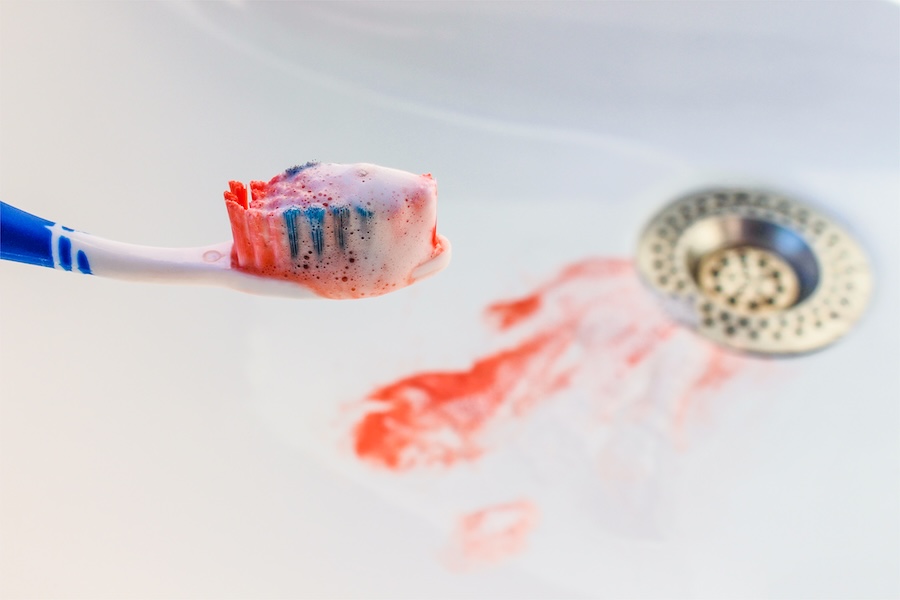
Bleeding gums are easy to brush off, especially when it only happens once in a while. Maybe you notice a little pink in the sink after flossing, or one spot bleeds every time you brush near it. However, when bleeding keeps coming back, it can be a sign that the gums are irritated and need more attention.
At Abidin and Cao DDS in Westerville, OH, Dr. Sean Abidin and Dr. Vanessa Cao evaluate bleeding gums to see whether plaque buildup, gingivitis, or periodontal disease may be involved. Sometimes the problem is still in an early stage and responds well to better home care and a professional cleaning. In other cases, deeper treatment may be needed to clean below the gumline and help the tissue settle down.
Why Do Gums Bleed?
Healthy gums generally should not bleed during normal brushing and flossing. However, when plaque stays along the gumline, bacteria can irritate the tissue and cause inflammation. Then, even gentle brushing or flossing may be enough to make the gums bleed.
This often starts with gingivitis, which is the earliest stage of gum disease. The gums may look redder, feel tender, or seem a little puffy around certain teeth. At the same time, some people notice almost nothing besides that recurring bit of blood when they brush.
It is easy to blame the toothbrush, especially if the bleeding only happens in one area. Sometimes brushing too hard really is the cause, but if the same spot keeps bleeding week after week, there may be more going on underneath the gumline.
Inflammation Can Keep the Gums Irritated
Inflammation is part of the body’s response to bacteria around the gums. When plaque sits along the gumline, the immune system reacts, and the tissue can become red, swollen, tender, and more likely to bleed. At first, the body is trying to protect the area, but if the bacteria stay in place, that inflammation can keep hanging around.
As the gums stay swollen and irritated, the space around the teeth can deepen in certain areas. That gives more bacteria room to collect below the gumline, which keeps the irritation going. So, the longer plaque and tartar stay there, the harder it can be for the tissue to calm down on its own.
With gingivitis, removing the buildup and improving daily cleaning can stop that process and allow the gums to return to a healthier state. However, once periodontal disease has caused loss of bone or supporting tissue, those changes are not simply reversed by brushing more. At that point, treatment focuses on controlling the infection and keeping further damage from happening.
Bleeding While Flossing Is Not Always About the Floss
A common reaction to bleeding is to stop flossing that area for a few days. However, if plaque and inflammation are causing the bleeding, skipping the spot gives more buildup a chance to stay there. So, unless the area is injured or your dentist tells you otherwise, gentle daily cleaning is usually still important.
If you have just started flossing again after being inconsistent with it, some mild bleeding can happen at first. Then, as the area gets cleaner and the gums calm down, the bleeding may begin to decrease. If it keeps happening in the same place, though, there may be tartar below the gumline or another reason that spot is staying irritated.
Technique can make a difference too. Snapping floss straight down into the gums can make them sore, while curving it gently around each tooth is much easier on the tissue. If flossing feels like you are fighting with every contact, slowing down and changing the angle usually makes it easier.
What Is Gingivitis?
Gingivitis is inflammation of the gums, most often caused by plaque collecting around the teeth. At this stage, the bone supporting the teeth has not been damaged. That is important because gingivitis is reversible when the plaque and inflammation are brought under control.
Usually, that means a professional cleaning along with consistent brushing and flossing at home. As the gums get cleaner, redness, swelling, and bleeding can begin to improve. So, catching gingivitis before it progresses gives you a much simpler situation to deal with.
Bleeding is one of the most common signs. You may also notice tenderness, puffiness, or bad breath that seems to return quickly. However, gingivitis does not always hurt, which is why people sometimes let it go longer than they intended.
When Gingivitis Becomes Periodontal Disease
If the inflammation continues, the infection can begin affecting the tissues and bone that support the teeth. At that point, it has moved beyond gingivitis and into periodontal disease. The space between the tooth and gum can deepen, creating periodontal pockets where more bacteria can collect.
As those pockets get deeper, a toothbrush and floss may no longer reach everything that needs to be cleaned. Plaque and tartar can remain below the gumline, so the gums stay irritated even when you are doing a better job at home. Over time, the supporting bone around the teeth can also begin to break down.
Bleeding may still be part of the picture, but other changes can start showing up too. You may notice gum recession, bad breath that keeps returning, tenderness while chewing, or teeth that do not feel quite the same when you bite. In more advanced cases, teeth can begin to loosen.
What Are Periodontal Pockets?
The gums normally fit closely around the teeth. However, periodontal disease can cause that space to deepen. Dentists call those deeper spaces periodontal pockets.
During an exam, Dr. Abidin or Dr. Cao may measure around each tooth with a small dental instrument. Those measurements show where the gums have pulled away and where deeper cleaning may be needed. Bleeding during the measurements can also point to areas that are still inflamed.
You usually cannot tell how deep a periodontal pocket is just by looking in the mirror. In fact, that is part of what makes gum disease easy to miss at home. The gums may not hurt much even while changes are happening underneath them.
Tartar Below the Gumline Can Keep the Gums Irritated
Plaque starts as a soft film, so brushing and flossing can remove much of it. However, once plaque hardens into tartar, you cannot brush it off at home. If tartar extends below the gumline, it can keep irritating the tissue even when your brushing has improved.
This is where people sometimes get frustrated. They are brushing more carefully, flossing more often, and still seeing blood in the sink. The home care is helping, but it cannot remove hardened deposits that are already attached to the tooth.
That is when professional cleaning becomes necessary. If the tartar is sitting deeper below the gumline, a routine cleaning may not reach far enough, and periodontal treatment may be recommended instead.
What Is Scaling and Root Planing?
Scaling and root planing is a common non-surgical treatment for periodontal disease. During treatment, plaque and tartar are carefully removed from below the gumline and along the root surfaces. The roots are also cleaned so the gums can heal more closely around the teeth.
Depending on how many areas need treatment, the mouth may be divided into sections. Local anesthetic can also be used so the deeper cleaning is more comfortable. Then, after each area is treated, the gums have a chance to settle as the inflammation decreases.
You may hear scaling and root planing called a “deep cleaning.” However, it goes farther below the gumline than a routine cleaning does. That is why it is used when periodontal pockets and deeper tartar are present.
What Does Periodontal Treatment Feel Like?
Before scaling and root planing begins, the area is usually numbed. Because of that, you may feel pressure or movement while the teeth are being cleaned, but you should not feel sharp discomfort. If something does feel uncomfortable, tell us so we can adjust.
Afterward, the gums may be tender for a short time. You may also notice some sensitivity to cold, especially if tartar or swollen tissue had been covering parts of the root surface. Usually, that sensitivity settles as healing continues.
For a day or so, softer foods may feel better if the gums are sore. Then, as the tenderness fades, you can start eating normally again. Your tongue may also notice that the teeth feel a little different once the heavy buildup is gone.
What Happens After a Deep Cleaning?
After scaling and root planing, the gums need some time to respond. Bleeding and tenderness should begin easing as the bacterial buildup below the gumline is removed. However, the changes are not always immediate, especially in areas that were more inflamed.
You will still need to brush and clean between the teeth at home. What you do between visits becomes a big part of keeping those areas cleaner after treatment. So, Dr. Abidin or Dr. Cao may recommend a specific flossing method, interdental brush, or another tool depending on where your pockets are.
A follow-up visit may also be scheduled to recheck the gums. At that appointment, we can compare the pocket measurements and see how the tissue responded. If one area is still bleeding or staying deeper than expected, we can take a closer look there.
Bleeding Gums Can Come With Bad Breath
Persistent bad breath can sometimes show up alongside gum inflammation. When bacteria and debris collect around or below the gumline, odor can develop even if you brush regularly. Mouthwash may cover it for a little while, but then it comes right back.
If that sounds familiar, mention it during your appointment. Dr. Abidin and Dr. Cao can check the gums, teeth, tongue, and other areas that may be contributing. Sometimes gum disease is part of the reason, while other times there may be more than one source.
And yes, we talk about bad breath all the time. It is not an awkward topic in a dental office, and it can give us another clue about what is happening.
Gum Recession Can Be Another Sign
As periodontal disease progresses, the gumline may begin pulling away from the teeth. That can make the teeth look longer or expose areas of the root that used to be covered. You may also notice more sensitivity when you drink something cold.
However, recession does not always come from gum disease. Brushing too aggressively, tooth position, and other factors can contribute too. So, if the gumline around one or more teeth looks different than it used to, it is worth having that area examined.
If periodontal disease is causing the recession, the infection needs to be controlled first. After that, Dr. Abidin or Dr. Cao can discuss whether anything else is needed for the exposed area.
Loose Teeth Need Prompt Attention
Adult teeth should not feel loose. If one starts moving, periodontal disease may have already affected some of the bone and tissue supporting it. So, that is something to bring in rather than waiting to see if it tightens back up.
Sometimes the change is obvious, but not always. You may simply notice that one tooth feels different while chewing or that your bite seems slightly off in one spot. If that keeps happening, let Dr. Abidin or Dr. Cao take a look.
They can check how much support remains around the tooth and whether periodontal treatment may help stabilize the area. If there is bone loss, X-rays can also help show how much has occurred.
Diabetes and Gum Health Can Affect Each Other
People with diabetes have a higher risk of gum disease, especially when blood sugar is difficult to control. At the same time, significant gum inflammation can make blood sugar management harder. So, diabetes and periodontal health can influence each other in both directions.
If you have diabetes, let our team know how it is being managed and whether anything has changed recently. That information helps Dr. Abidin and Dr. Cao plan treatment and follow-up care around your health history. It can also affect how closely the gums need to be monitored.
Meanwhile, regular brushing, flossing, cleanings, and periodontal visits become even more important. Keeping inflammation under better control supports both your mouth and the rest of your health care.
Smoking and Vaping Can Affect the Gums
Smoking increases the risk of periodontal disease and can interfere with healing. However, one tricky part is that smoking can reduce visible bleeding by changing blood flow in the gums. So, a smoker may have significant gum disease without seeing much blood when brushing.
Vaping can also expose the mouth to nicotine and other substances that affect oral tissues. Because of that, let us know if you smoke, vape, or use nicotine products. We need that information because it can change what we see in the gums and how they respond after treatment.
We are not asking so we can turn the appointment into a lecture. We simply need the full picture before recommending treatment.
Pregnancy Can Make Gums More Reactive
Hormonal changes during pregnancy can make the gums more sensitive to plaque. As a result, you may notice more redness, swelling, or bleeding even if your brushing habits have not changed. However, recurring bleeding during pregnancy should still be mentioned at your dental visit.
Keep brushing gently and cleaning between the teeth unless you are told otherwise. Skipping the spots that bleed can leave more plaque sitting there, which may make the irritation worse. Regular cleanings can also help keep buildup under better control.
If you are pregnant or think you may be, let our team know before treatment. Dr. Abidin and Dr. Cao can take that into account when planning your care.
Can Bleeding Gums Go Away on Their Own?
If bleeding comes from a one-time irritation, such as floss snapping into the gum, it may settle quickly. However, bleeding caused by gingivitis or periodontal disease usually keeps returning until the plaque, tartar, and inflammation behind it are addressed.
So, changing toothpaste or avoiding one sore spot may not fix what is happening. If tartar is already below the gumline, it needs to be professionally removed. Then, daily brushing and cleaning between the teeth can help keep new buildup from collecting there again.
If your gums have been bleeding for more than a short period, especially in the same places, schedule an exam. One little pink spot in the sink can be easy to dismiss, but when it keeps making repeat appearances, it is time to find out why.
Periodontal Maintenance After Gum Disease Treatment
After periodontal disease has been treated, many patients need periodontal maintenance visits rather than going right back to standard cleanings. These visits are usually scheduled more often because bacteria and tartar can begin collecting again in deeper areas.
During periodontal maintenance, the teeth and gumline are cleaned while the periodontal pockets are checked. Then, Dr. Abidin or Dr. Cao can watch for areas where bleeding or deeper pocketing is starting to return. The visit schedule depends on how your gums are responding.
Home care stays part of the plan too. Brushing twice a day and cleaning between the teeth helps keep plaque from building up between appointments. If one area is consistently harder to clean, we can show you another way to reach it.
What Can You Do at Home for Bleeding Gums?
Start with gentle, consistent brushing twice a day using a soft-bristled toothbrush. Then, clean between the teeth every day with floss, interdental brushes, or another method recommended for your mouth. If the gums bleed at first, do not automatically stop cleaning the area.
However, avoid scrubbing harder because you see blood. More pressure can irritate already-sensitive tissue and may contribute to recession. Gentle brushing along the gumline is usually enough.
Also, watch whether the bleeding begins to improve. If you have been consistent for a while and the same areas still bleed, there may be tartar or deeper inflammation that home care cannot remove. At that point, it is time to have the gums checked.
When Should You Schedule a Periodontal Evaluation?
Bleeding that keeps returning is one reason to schedule an evaluation. You should also come in if you notice swollen gums, gum recession, persistent bad breath, tenderness while chewing, pus around the gumline, or teeth that feel loose.
Sometimes the signs are less obvious. Maybe the floss comes out bloody behind the same molar every night, or one part of the gumline always looks puffier than the rest. If you keep noticing the same thing in the same place, bring it up at your visit.
Dr. Abidin and Dr. Cao can measure the gums, check for tartar below the gumline, and review dental X-rays when needed. Then, if periodontal treatment is recommended, we can explain what needs to be cleaned and what to expect afterward.
Periodontal Treatment at Abidin and Cao DDS in Westerville, OH
If your gums bleed regularly when you brush or floss, it is a good idea to find out what is causing it. Sometimes the answer is reversible gingivitis that can improve with a professional cleaning and consistent home care, while deeper periodontal pockets may need scaling and root planing. Dr. Sean Abidin and Dr. Vanessa Cao can examine the gums, measure the pockets, and explain what they are seeing in plain terms.
If you have noticed recurring bleeding, swelling, gum recession, bad breath, or a tooth that feels different when you chew, call Abidin and Cao DDS in Westerville, OH. Schedule a periodontal evaluation, and we’ll help you get the gums cleaner, calmer, and easier to care for at home!